
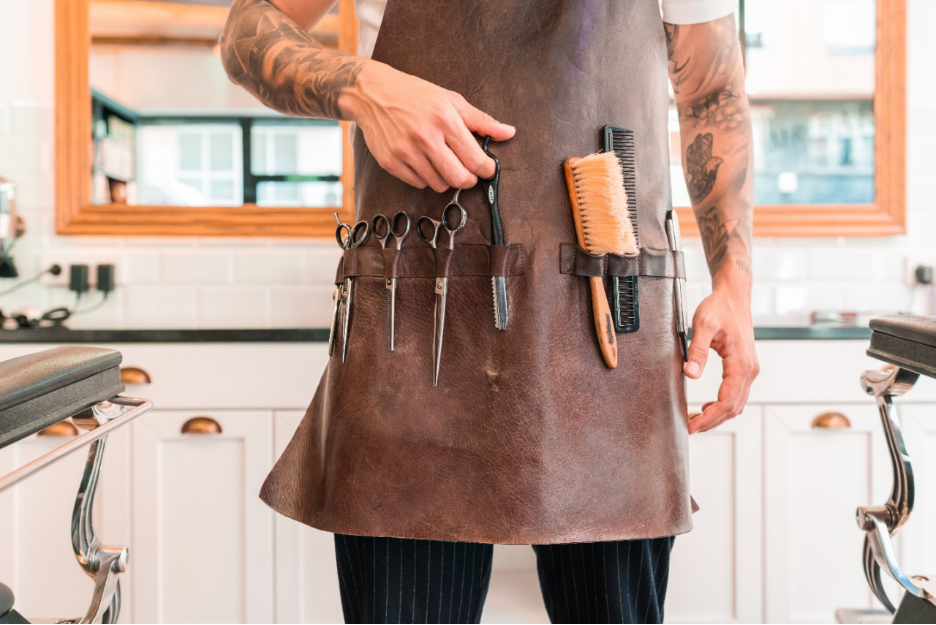
Choosing the right work apron is not always as simple as picking the first design that looks good. Whether you work in woodworking, welding, gardening, grilling, blacksmithing, or general workshop tasks, the material of your apron plays a huge role in comfort, protection, and long-term durability. Many people compare a canvas work apron with a leather work apron because both are popular for heavy-duty work environments, but they serve different purposes depending on how and where they are used.
A heavy-duty canvas work apron is often appreciated for its lighter feel and flexibility, while leather work aprons are valued for their strength, heat resistance, and long-lasting protection. Some professionals also prefer a waxed canvas work apron for added resistance against sparks, splashes, and rough conditions. Others may choose a cotton work apron or even a denim work apron for lighter everyday tasks.
The right apron should feel practical during long hours of work while still offering reliable protection. If you are considering a traditional work apron leather design or looking into custom leather aprons for a more personalized fit, understanding the strengths of each material can make the decision much easier. In this guide, we will compare canvas work aprons and leather work aprons in detail so you can understand which option better fits your workflow, comfort preferences, and daily demands.
Key Differences Between Leather and Canvas Aprons
Choosing between a leather work apron and a canvas work apron often comes down to the type of work you do on a routine basis. Both materials have built strong reputations across workshops, kitchens, blacksmithing stations, woodworking shops, and industrial environments. However, the level of protection, durability, comfort, and maintenance they offer can be very different. Understanding these differences helps professionals invest in an apron that truly matches their workload and working conditions.
Why Leather Work Aprons Stand Out
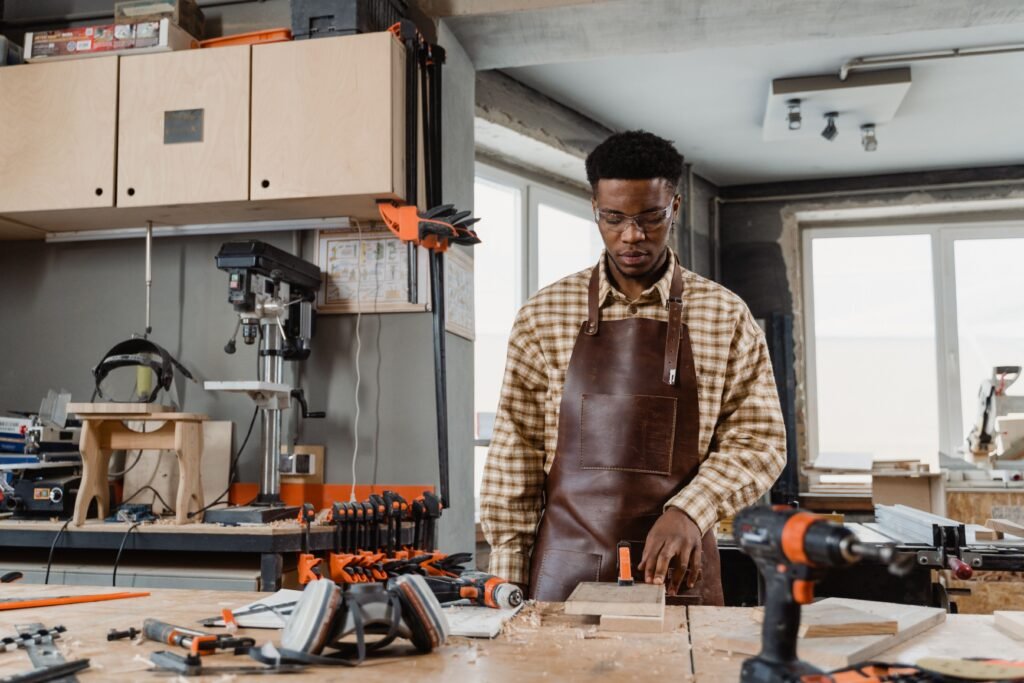
A work apron leather design is widely considered the gold standard for heavy-duty and high-risk work environments. Professionals working in welding, blacksmithing, grilling, woodworking, and metal fabrication often choose leather work aprons because leather naturally handles heat, sparks, abrasion, and sharp tools far better than most fabric materials.
One of the biggest strengths of a leather work apron is durability. High-quality leather can last anywhere from 10 to 20 years when properly maintained, making it a long-term investment rather than a short-term purchase. Unlike fabric aprons, leather does not easily fray, weaken around seams, or lose structure under demanding use.
Leather also offers superior protection in environments where workers face heat, sharp tools, grease, sparks, or hot liquids. That is why professional welders, blacksmiths, pitmasters, and craftsmen often rely on custom leather aprons for daily protection. Many modern designs also include multiple tool pockets, adjustable straps, and ergonomic fits for added comfort during long shifts.
Another reason many professionals prefer custom leather apron styles is the way leather adapts over time. The material slowly molds to the wearer’s body, creating a more personalized fit with continued use. This combination of protection, comfort, and rugged appearance gives leather a strong advantage in industrial settings.
Why Canvas Aprons Remain Popular
While leather dominates heavy-duty industries, canvas work aprons remain extremely popular for lighter and more flexible work environments. A heavy-duty canvas work apron offers good durability while feeling lighter and more breathable than leather, which can make a huge difference during long hours in warm conditions. Many artists, chefs, gardeners, carpenters, baristas, and workshop hobbyists prefer a canvas work apron because it allows greater mobility and comfort. Canvas is easier to move in, less restrictive, and typically more affordable than leather. A waxed canvas work apron adds another layer of functionality by improving water resistance and offering moderate protection against splashes, dust, and light sparks.

Some users also prefer a cotton work apron or denim work apron for casual or creative environments where comfort and appearance matter just as much as protection. Denim aprons, in particular, are appreciated for their stylish look and reliable long-term durability.
However, canvas does have its limitations. Even a heavy-duty canvas work apron cannot provide the same level of heat resistance, cut protection, or long-term durability as leather. Canvas is more likely to wear down around folds, seams, and stress points over time, especially under intense daily use.
Protection, Comfort, and Long-Term Value
When comparing leather and canvas directly, the biggest difference comes down to protection versus flexibility. Leather work aprons are heavier but provide unmatched defense against heat, sparks, sharp tools, grease, and heavy wear. Canvas work aprons, on the other hand, focus more on comfort, breathability, and lighter routine protection.

Maintenance is another important factor. Canvas aprons are generally easier to clean because many can be machine washed. Leather requires more care, including occasional conditioning to prevent cracking and drying. Still, many professionals accept the extra maintenance because of leather’s significantly longer lifespan.
In the end, the best apron depends on your working environment. If maximum protection and durability are your priorities, a leather work apron is usually the stronger choice. If you value lightweight comfort, flexibility, and affordability for lighter tasks, a canvas work apron may be the better fit for your daily routine.
| Feature | Leather Work Aprons | Canvas Work Aprons |
| Expected Lifespan | Can remain in excellent condition for well over a decade with regular care | Usually lasts a few years before showing wear around seams and folds |
| Resistance to Heat & Sparks | Excellent for welding, grilling, blacksmithing, and high-temperature tasks | Better suited for light-duty work with minimal heat exposure |
| Protection Level | Strong barrier against sharp tools, grease, cuts, and heavy abrasion | Provides moderate protection for everyday workshop or kitchen use |
| Comfort During Long Hours | Becomes softer and more body-shaped over time but feels heavier initially | Lightweight and breathable, especially comfortable in warmer climates |
| Flexibility & Movement | Slightly stiffer at first due to thicker material construction | Easier to bend, stretch, and move around in during active tasks |
| Water & Spill Resistance | Naturally more resistant to liquids, oil, and grease splashes | Standard canvas absorbs moisture unless using a waxed canvas work apron |
| Appearance Over Time | Develops a rugged patina and premium worn-in look | May fade, wrinkle, or soften with repeated washing |
| Maintenance Needs | Requires occasional leather conditioning and careful storage | Easier to clean and often machine washable |
| Best Work Environments | Ideal for industrial, heavy-duty, and high-risk applications | Great for gardening, crafting, woodworking, cafés, and creative work |
| Price Range | Higher upfront investment but strong long-term value | More budget-friendly for casual or lighter use |
Conclusion
The best apron is the one that matches the demands of your work. A canvas work apron may offer lightweight comfort and flexibility for lighter tasks, but when durability, heat resistance, and long-term protection truly matter, a leather work apron stands in a league of its own.
From welding shops and woodworking stations to grilling setups and blacksmith forges, leather work aprons continue to be trusted by professionals who work in demanding environments every single day. Their ability to resist sparks, sharp tools, grease, heat, and heavy wear makes them a smart long-term investment rather than just another piece of workwear.

That said, every craftsman works differently. Some people may prefer the breathability of a heavy-duty canvas work apron or the flexibility of a waxed canvas work apron for lighter workshop tasks and warmer conditions. Others may appreciate the casual comfort of a cotton work apron or the rugged style of a denim work apron for creative and routine use.
The key is understanding what level of protection, mobility, and durability your work actually requires. If your daily routine involves heat, sparks, sharp tools, or physically demanding tasks, investing in a high-quality work apron leather design can provide years of reliable protection and comfort. Many professionals also choose custom leather aprons because they combine functionality, durability, and a personalized fit that improves over time.
A good apron does more than protect your clothes. It becomes part of your workflow, your efficiency, and your craft. Choosing the right one now can make every project safer, easier, and more comfortable for years to come. If you are looking for high-quality, durable, and professionally designed aprons, Custom Apron offers a wide range of options to suit different industries and working styles. Explore our premium apron collection today and find the perfect fit for your workshop, kitchen, studio, or business.


Leave a comment